Power in the Room: NABWIC's 2025 Congressional Black Caucus Reception at City Club DC
- Kia C. Boone
- Nov 15, 2025
- 2 min read

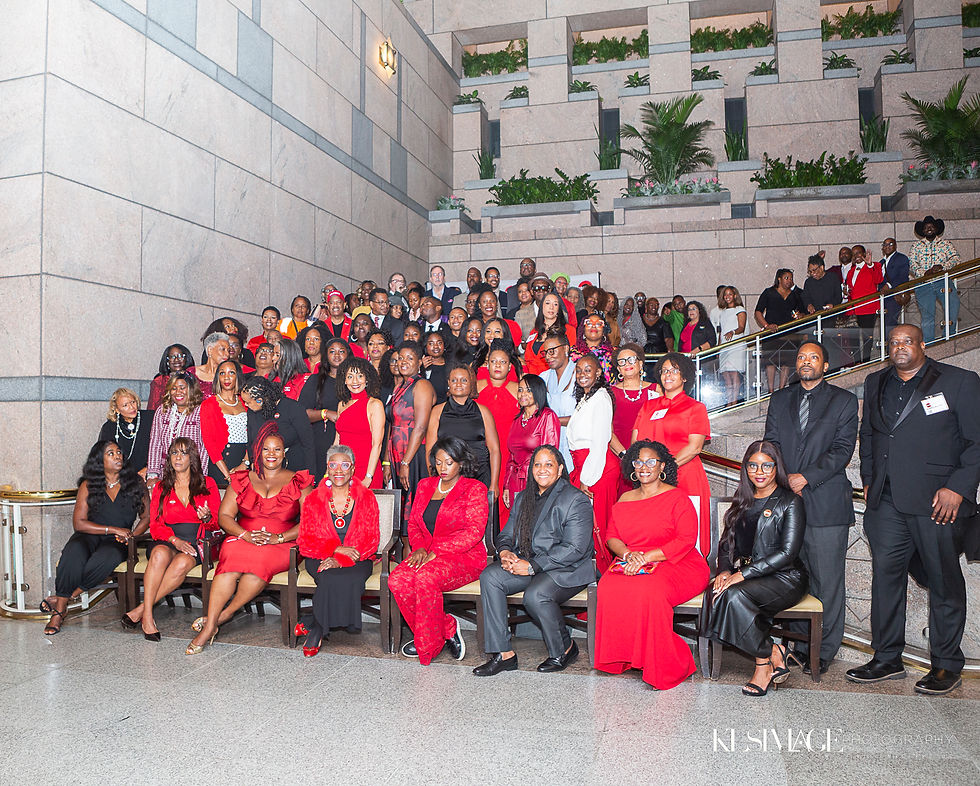
On the evening of September 24, 2025, Washington, D.C.'s City Club of Washington at Columbia Square became the gathering place for some of the most influential voices in Black women's leadership, policy, and construction. The National Association of Black Women in Construction (NABWIC) hosted its annual Congressional Black Caucus Reception — a signature event bringing together industry leaders, policymakers, and advocates to advance the mission of Black women in construction at the highest levels of national conversation.
NABWIC: The Voice of Black Women in Construction
Founded to increase national awareness of Black women in the construction industry, NABWIC operates at the intersection of advocacy, entrepreneurship, and community. Its charge is clear: advocate for Black women-owned construction businesses, create strategic environments for professional and social connection, and train the next generation of Black women to lead in an industry that has long excluded them.
The CBC Reception is where that mission meets policy — a room where the work being done on job sites and in boardrooms across the country connects directly with the lawmakers who shape the contracts, infrastructure investments, and equity initiatives that determine who gets a seat at the table.

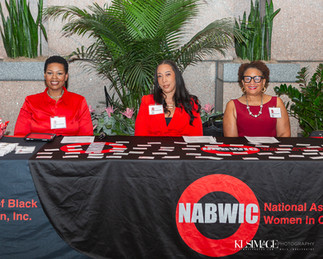


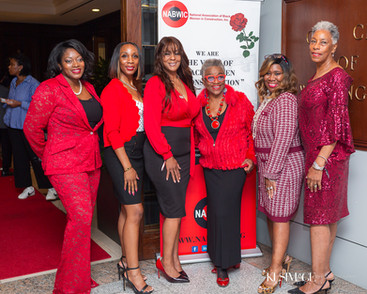

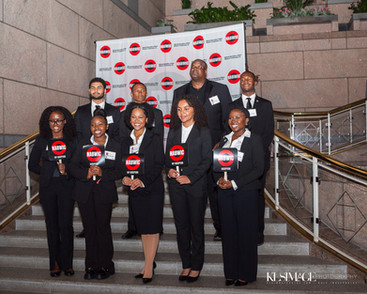

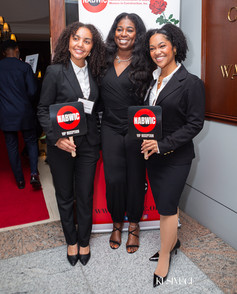



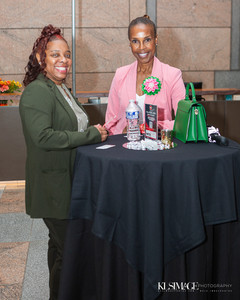
An Evening of Advocacy and Connection
The two-hour reception drew a cross-section of NABWIC's national membership alongside elected officials, corporate sponsors, and community partners. The energy reflected what NABWIC has always represented: ambition, solidarity, and a refusal to be overlooked in spaces that were never designed with Black women in mind.
CBC week in Washington is one of the most concentrated moments of Black political and civic power in the country. NABWIC's presence in that space is intentional — a statement that the construction industry, and the policy decisions that shape it, cannot move forward without the voices of Black women at the center.
The 2025 reception made that statement with clarity.